Chicharrón: A Crunchy, Salty, And Surprisingly Versatile Journey Through Latin American Cuisine
Chicharrón: A Crunchy, Salty, and Surprisingly Versatile Journey Through Latin American Cuisine
Chicharrón: A Crunchy, Salty, and Surprisingly Versatile Journey Through Latin American Cuisine
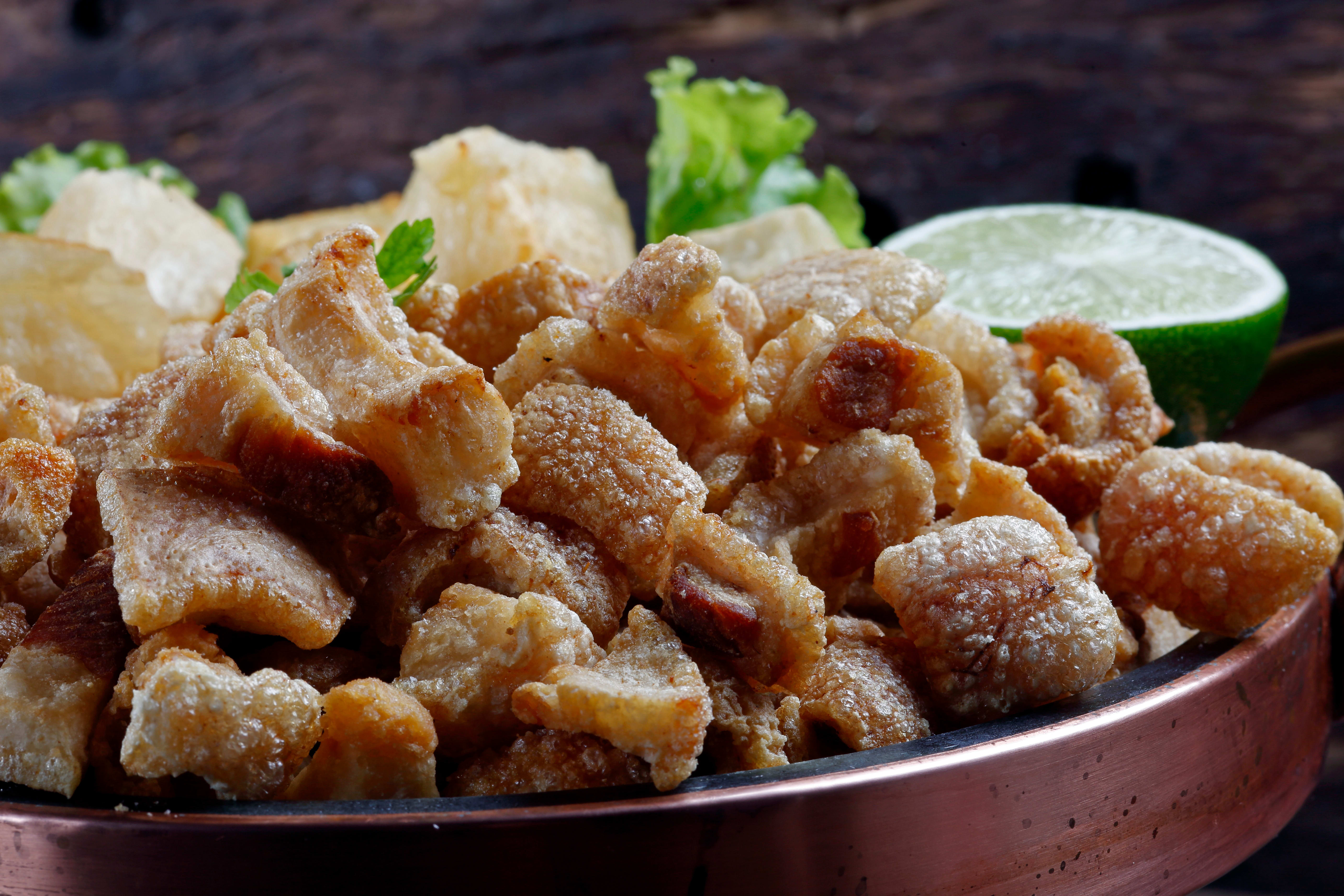
The world of food is a vast and diverse tapestry, woven with threads of tradition, history, and cultural expression. Within this tapestry, certain ingredients stand out as true heroes, their unique flavors and textures captivating palates and sparking culinary creativity. One such hero, a crispy, salty, and undeniably addictive treat, is the chicharrón.
Chicharrón, derived from the Spanish word for "pork rind," is a beloved snack and ingredient across Latin America and beyond. While its origins may be traced back to the indigenous cultures of the region, chicharrón has evolved into a culinary chameleon, adapting to different regional preferences and transforming into a multitude of dishes.
This article delves into the fascinating world of chicharrón, exploring its history, production, and the diverse ways it is enjoyed across various cultures. We’ll also delve into its nutritional profile, address potential health concerns, and provide a comprehensive guide to creating your own delicious chicharrón experience.
A History of Crunchy Delights: From Ancient Roots to Modern Day
The history of chicharrón is deeply intertwined with the history of the Americas. Archaeological evidence suggests that indigenous cultures in Mexico, Central America, and South America have been consuming pork rinds for centuries. These ancient peoples, utilizing the resourceful methods of their time, would render fat from pigs and then fry the skin until crispy, creating a flavorful and sustainable food source.
Table of Content
The arrival of the Spanish in the 15th century brought a new wave of pork-based culinary traditions to the Americas. Spanish colonists, already familiar with the concept of chicharrón, further popularized the dish, incorporating it into their own culinary repertoire. Over time, chicharrón spread across Latin America, taking on regional variations and becoming an integral part of various cuisines.
A Culinary Chameleon: Exploring the Diverse World of Chicharrón
Chicharrón, in its most basic form, is simply crispy pork skin. However, its versatility allows it to transcend this simple definition, morphing into a myriad of dishes and culinary experiences.
1. Snacking Delights:
In many Latin American countries, chicharrón is enjoyed as a simple yet satisfying snack. Often served with a sprinkle of salt and a squeeze of lime, these crispy morsels provide a delightful crunch and a savory punch.
2. The Star of the Show:
Chicharrón can also take center stage in various dishes. In Mexico, chicharrón en salsa verde is a classic example, where crispy pork rinds are bathed in a vibrant green sauce made with tomatillos, cilantro, and spices. In Peru, chicharrón de cerdo is often served with a side of ají de gallina, a creamy chicken stew with aji amarillo peppers.
- The Grill Saikoro: A Review Of The Japanese Street Food Sensation
- The Art Of The Automotive Review: A Journey Through The World Of Wheels
- Wagyu MB 12: A Feast For The Senses (and The Wallet)
- KFC: A Review Of The Colonel’s Ride
- A Cut Above: Delving Into The Differences Between Sirloin And Wagyu
3. A Textural Twist:
Chicharrón can also add a unique textural element to various dishes. In Colombia, chicharrón con arepas is a popular street food, where crispy pork rinds are paired with soft corn cakes. In Venezuela, chicharrón con yuca features chicharrón served alongside cassava, creating a satisfying contrast between crispy and soft.
4. Beyond the Pig:
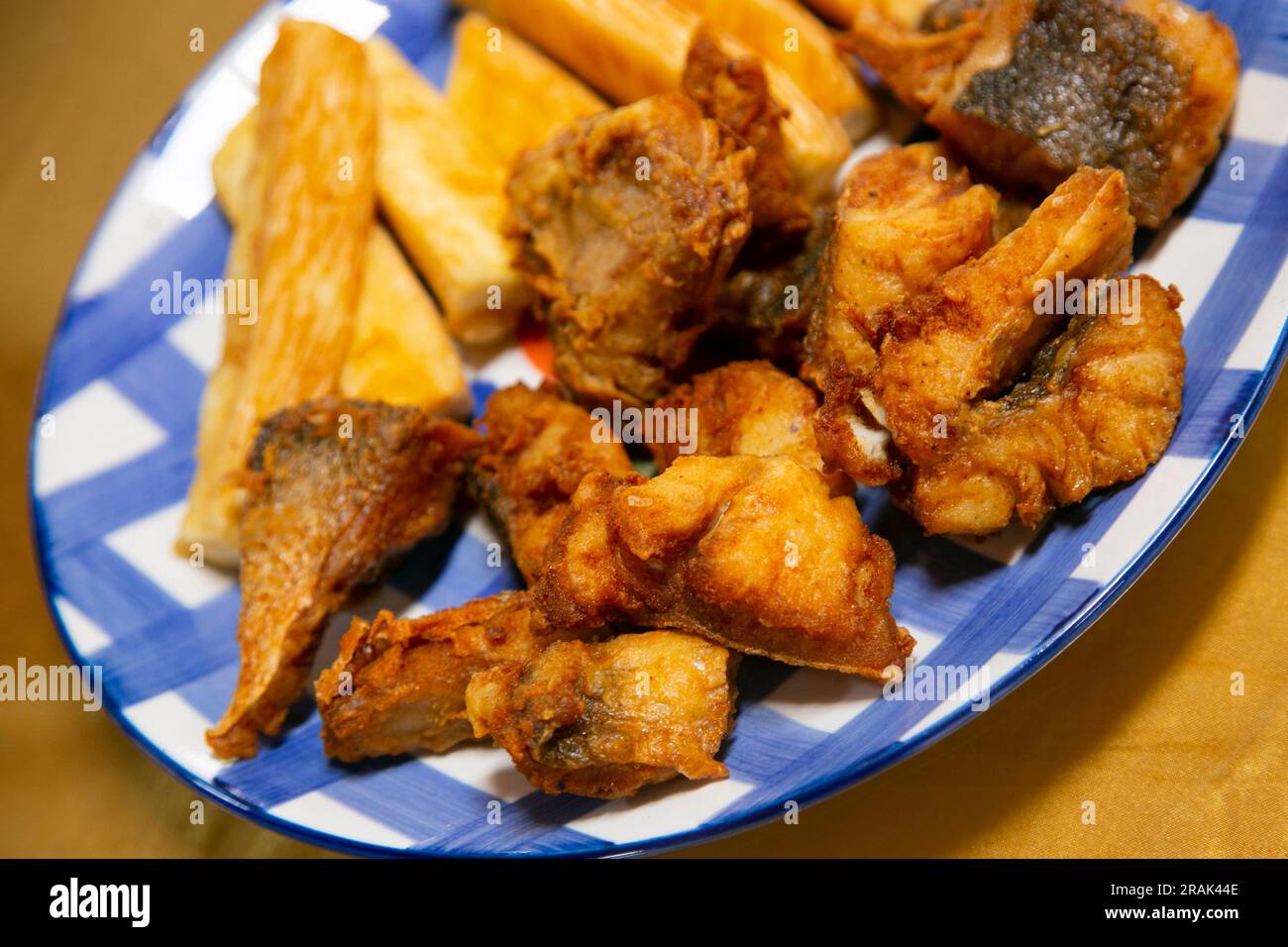
While traditionally made from pork, chicharrón can also be crafted from other meats, such as chicken or beef. This adaptation allows for different flavor profiles and caters to various dietary preferences.
5. A Global Phenomenon:
The popularity of chicharrón has extended beyond Latin America. In recent years, chicharrón has gained traction in other parts of the world, with innovative chefs incorporating it into their dishes and restaurants offering it as a unique and flavorful addition to their menus.
The Art of Chicharrón Production: A Journey from Pig to Plate
The production of chicharrón is a fascinating process, requiring careful attention to detail and traditional techniques. Here’s a breakdown of the key steps:
1. Skin Selection:
The process begins with the selection of high-quality pig skin. The skin should be thick and free of blemishes or imperfections.
2. The Brine Bath:
The skin is then brined in a salt solution, which helps to season the meat and preserve its texture.
3. Cooking Time:
The brined skin is cooked in large vats of boiling water, often with the addition of spices and aromatics. This process softens the skin and prepares it for the next step.
4. The Fry-Off:
The cooked skin is then cut into desired shapes and fried in large batches of hot oil. The frying process is crucial for achieving the signature crispy texture.
- The Grill Saikoro: A Review Of The Japanese Street Food Sensation
- The Art Of The Automotive Review: A Journey Through The World Of Wheels
- Wagyu MB 12: A Feast For The Senses (and The Wallet)
- KFC: A Review Of The Colonel’s Ride
- A Cut Above: Delving Into The Differences Between Sirloin And Wagyu
5. Seasoning and Serving:
Once the chicharrón is golden brown and crispy, it is drained and seasoned with salt, pepper, or other desired spices. It can then be served immediately or stored for later use.
The Nutritional Profile: A Closer Look at the Crunchy Truth
While chicharrón can be a delicious and satisfying treat, it’s important to be mindful of its nutritional profile. It’s a high-fat food, primarily composed of saturated fat. While some fats are essential for good health, excessive consumption of saturated fat can contribute to heart disease and other health problems.
Chicharrón also contains a moderate amount of protein, making it a source of amino acids. However, its high sodium content can be a concern for individuals with high blood pressure or other health conditions.
Navigating Health Concerns: Tips for Enjoying Chicharrón Responsibly
To enjoy chicharrón responsibly and minimize potential health risks, consider the following tips:
1. Moderation is Key:
As with any high-fat food, moderation is crucial. Limit your consumption of chicharrón to occasional treats and incorporate it into a balanced diet.
2. Choose Lean Options:
Opt for chicharrón made from leaner cuts of pork or other meats to reduce the amount of saturated fat.
3. Homemade is Best:
Making your own chicharrón at home allows you to control the ingredients and cooking process, ensuring a healthier and more flavorful product.
4. Be Mindful of Salt:
If you’re watching your sodium intake, choose chicharrón with lower salt content or season it yourself with minimal salt.
5. Balance Your Plate:
Pair chicharrón with a variety of fruits, vegetables, and whole grains to create a well-rounded and nutritious meal.
DIY Chicharrón: Bringing the Crunch Home
Creating your own chicharrón at home is surprisingly easy and allows you to customize the flavor and texture to your liking. Here’s a simple recipe:
Ingredients:
- 1 pound pork skin (with fat)
- 1 tablespoon salt
- 1 teaspoon black pepper
- 1 teaspoon paprika
- 1/2 teaspoon cumin
- 1/4 teaspoon cayenne pepper (optional)
- Vegetable oil for frying
Instructions:
- Prepare the skin: Rinse the pork skin and pat it dry. Cut it into smaller pieces, about 2-3 inches wide.
- Brine the skin: In a large bowl, combine the salt, pepper, paprika, cumin, and cayenne pepper. Add the pork skin pieces and toss to coat evenly. Let the skin marinate in the brine for at least 30 minutes, or up to 2 hours.
- Fry the chicharrón: Heat a large skillet or deep fryer with about 2 inches of vegetable oil to 350°F (175°C). Carefully add the marinated pork skin pieces to the hot oil, making sure not to overcrowd the pan. Fry the chicharrón for 5-7 minutes, or until golden brown and crispy.
- Drain and serve: Using a slotted spoon, remove the cooked chicharrón from the oil and drain on paper towels. Season with additional salt or spices, if desired. Serve immediately and enjoy!
Chicharrón: A Culinary Journey Worth Embarking On
From its humble origins in ancient Latin America to its global popularity today, chicharrón has proven to be a culinary force to be reckoned with. Its crispy texture, savory flavor, and versatility have made it a beloved staple across cultures and cuisines. Whether enjoyed as a simple snack or incorporated into more complex dishes, chicharrón offers a unique and satisfying culinary experience.
So, the next time you find yourself craving a crunchy, salty treat, consider embarking on a culinary journey through the world of chicharrón. You might just discover a new favorite food, one that captures the essence of Latin American cuisine and delights your taste buds with its simple yet irresistible charm.
sure
Thus, we hope this article has provided valuable insights into Chicharrón: A Crunchy, Salty, and Surprisingly Versatile Journey Through Latin American Cuisine. We thank you for taking the time to read this article. See you in our next article!

Posting Komentar untuk "Chicharrón: A Crunchy, Salty, And Surprisingly Versatile Journey Through Latin American Cuisine"