From Garden To Freezer: Mastering The Art Of Frozen Vegetable Preparation
From Garden to Freezer: Mastering the Art of Frozen Vegetable Preparation
From Garden to Freezer: Mastering the Art of Frozen Vegetable Preparation
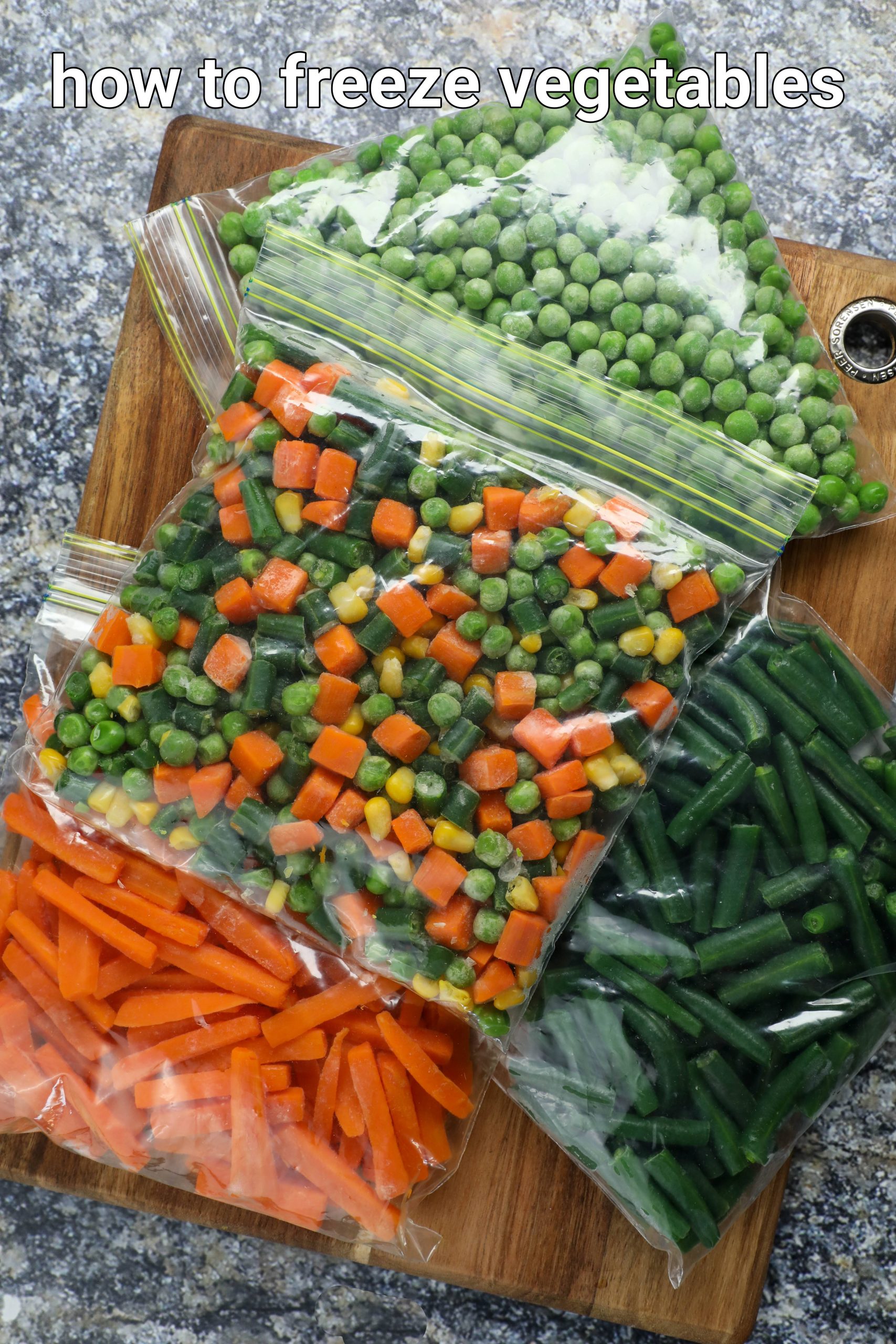
The bounty of fresh produce is a blessing, but its fleeting nature can be a source of frustration. Enter the freezer, a culinary time machine that allows us to savor the flavors of summer long after the last leaves have fallen. But simply tossing vegetables into a bag and freezing them isn’t enough. To ensure optimal flavor, texture, and nutritional value, mastering the art of frozen vegetable preparation is key.
This article delves into the world of freezing vegetables, exploring the science behind the process, providing step-by-step guides for different types of vegetables, and offering tips for maximizing quality and minimizing waste.
The Science of Freezing Vegetables
Freezing vegetables is essentially a process of slowing down time. At freezing temperatures, water molecules form ice crystals, which can damage cell walls and lead to texture changes. However, by following proper techniques, we can minimize these effects and preserve the deliciousness of our garden-fresh harvest.
Blanching: The Key to Success
Blanching is a crucial step in the freezing process. It involves briefly immersing vegetables in boiling water, followed by an ice bath. This process achieves several important goals:
- Enzymatic Deactivation: Enzymes within vegetables continue to break down cell walls even after harvesting, leading to flavor and texture degradation. Blanching deactivates these enzymes, preserving the quality of the vegetables.
- Color Preservation: Blanching helps retain the vibrant colors of vegetables by preventing chlorophyll breakdown.
- Texture Improvement: Blanching softens the vegetables slightly, making them easier to freeze and less prone to freezer burn.
Types of Vegetables and Their Freezing Methods
- Señor Chicken’s Guide To The Wild World Of Vehicle Reviews: Cluckin’ Good Advice For Your Next Ride
- A Journey Through Wagyu: Exploring The Flavorful World Of Japanese Beef
- Finding The Perfect Fried Chicken Fix: A Guide To "Chicken Filet Cerca De Mí"
- Daging Wagyu: A Review Of The Automotive Experience
- The Church’s Chicken Experience: A Spicy Dive Into Fried Chicken, Biscuits, And Savings
Not all vegetables freeze the same way. Understanding the different freezing methods for various types of vegetables is essential for achieving optimal results.
Leafy Greens:
- Blanching: Blanch for 1-2 minutes in boiling water, then shock in an ice bath.
- Preparation: Remove excess water, then pack into freezer bags or containers, squeezing out as much air as possible.
- Examples: Spinach, kale, collard greens, lettuce, chard.
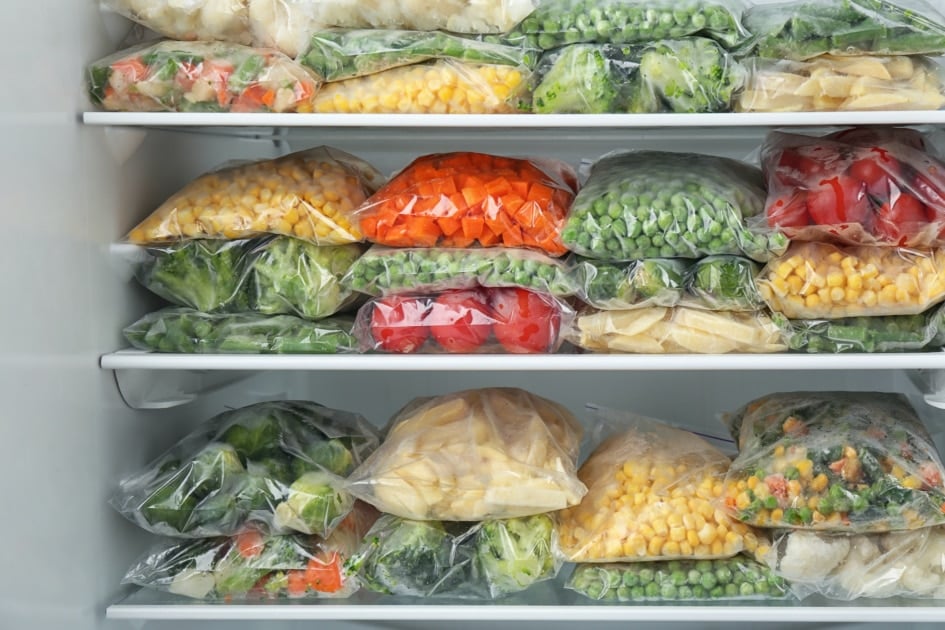
Root Vegetables:
- Blanching: Blanch for 3-5 minutes in boiling water, depending on the size and type of vegetable.
- Preparation: Peel and cut into desired shapes. Blanch, shock, and then pack into freezer bags or containers.
- Examples: Carrots, potatoes, turnips, beets, parsnips.
Cruciferous Vegetables:
- Blanching: Blanch for 2-3 minutes in boiling water.
- Señor Chicken’s Guide To The Wild World Of Vehicle Reviews: Cluckin’ Good Advice For Your Next Ride
- A Journey Through Wagyu: Exploring The Flavorful World Of Japanese Beef
- Finding The Perfect Fried Chicken Fix: A Guide To "Chicken Filet Cerca De Mí"
- Daging Wagyu: A Review Of The Automotive Experience
- The Church’s Chicken Experience: A Spicy Dive Into Fried Chicken, Biscuits, And Savings
- Preparation: Cut into desired shapes, blanch, shock, and then pack into freezer bags or containers.
- Examples: Broccoli, cauliflower, Brussels sprouts, cabbage.
Beans and Peas:
- Blanching: Blanch for 2-3 minutes in boiling water.
- Preparation: Shell peas and trim beans. Blanch, shock, and then pack into freezer bags or containers.
- Examples: Green beans, snap peas, edamame.
Fruits:
- Blanching: Not required for most fruits.
- Preparation: Wash, peel, and slice fruits as desired. Pack into freezer bags or containers, leaving some space for expansion.
- Examples: Berries, cherries, peaches, plums, mangoes.
Freezing Tips for Optimal Quality:
- Use Fresh Vegetables: Start with the freshest vegetables possible for the best flavor and texture.
- Proper Blanching: Ensure the vegetables are fully blanched, but don’t overcook them.
- Quick Cooling: Shock the blanched vegetables in an ice bath immediately to stop the cooking process.
- Thorough Drying: Remove excess moisture from the vegetables before freezing to prevent ice crystals from forming.
- Airtight Packaging: Use freezer-safe bags or containers to prevent freezer burn and maintain quality.
- Label and Date: Label your frozen vegetables with the date to ensure they are used within a reasonable timeframe.
- Freezing Time: Most frozen vegetables can be stored for 6-12 months.
Freezing Techniques for Specific Vegetables:
1. Freezing Corn:
- Blanching: Blanch corn kernels for 3-5 minutes in boiling water.
- Preparation: Shock in an ice bath, then drain well. Spread kernels on a baking sheet lined with parchment paper and freeze until solid. Pack frozen kernels into freezer bags or containers.
2. Freezing Tomatoes:
- Blanching: Not required.
- Preparation: Wash and core tomatoes. Cut into wedges or dice. Spread on a baking sheet lined with parchment paper and freeze until solid. Pack frozen tomatoes into freezer bags or containers.
3. Freezing Zucchini:
- Blanching: Blanch zucchini slices for 2-3 minutes in boiling water.
- Preparation: Shock in an ice bath, then drain well. Pack zucchini slices into freezer bags or containers.
4. Freezing Herbs:
- Blanching: Not required.
- Preparation: Wash and dry herbs thoroughly. Chop or leave whole, depending on your preference. Pack into freezer bags or containers.
5. Freezing Peppers:
- Blanching: Blanch peppers for 2-3 minutes in boiling water.
- Preparation: Shock in an ice bath, then drain well. Remove seeds and stems. Pack peppers into freezer bags or containers.
6. Freezing Asparagus:
- Blanching: Blanch asparagus spears for 2-3 minutes in boiling water.
- Preparation: Shock in an ice bath, then drain well. Pack asparagus spears into freezer bags or containers.
7. Freezing Mushrooms:
- Blanching: Not required.
- Preparation: Clean and slice mushrooms. Spread on a baking sheet lined with parchment paper and freeze until solid. Pack frozen mushrooms into freezer bags or containers.
8. Freezing Onions:
- Blanching: Not required.
- Preparation: Peel and chop onions. Spread on a baking sheet lined with parchment paper and freeze until solid. Pack frozen onions into freezer bags or containers.
9. Freezing Garlic:
- Blanching: Not required.
- Preparation: Peel and mince garlic. Pack into freezer bags or containers.
Using Frozen Vegetables in Cooking:
Frozen vegetables are incredibly versatile and can be used in a wide range of dishes. Here are some tips for incorporating them into your cooking:
- No Thawing Required: Many frozen vegetables can be added directly to soups, stews, stir-fries, and other recipes without thawing.
- Thawing for Other Applications: For dishes like salads or roasted vegetables, thawing is recommended.
- Cooking Time Adjustment: Frozen vegetables may require a slightly shorter cooking time than fresh vegetables.
- Flavor Enhancement: Add a splash of lemon juice, herbs, or spices to boost the flavor of frozen vegetables.
Conclusion
Freezing vegetables is a fantastic way to preserve the bounty of the garden and enjoy fresh flavors year-round. By following the steps outlined in this article, you can ensure that your frozen vegetables retain their quality, flavor, and nutritional value. So, embrace the art of freezing and enjoy the deliciousness of fresh produce, frozen in time.
sure
Thus, we hope this article has provided valuable insights into From Garden to Freezer: Mastering the Art of Frozen Vegetable Preparation. We appreciate your attention to our article. See you in our next article!

Posting Komentar untuk "From Garden To Freezer: Mastering The Art Of Frozen Vegetable Preparation"