Hydroponic Kangkong: A Review Of The Vehicle For Sustainable Farming
Hydroponic Kangkong: A Review of the Vehicle for Sustainable Farming
Hydroponic Kangkong: A Review of the Vehicle for Sustainable Farming

Kangkong, also known as water spinach, is a leafy green vegetable that thrives in Southeast Asian cuisine. Its versatility, nutrient density, and quick growth cycle make it a popular choice for both home gardens and commercial farms. However, traditional cultivation methods often face challenges like limited land availability, water scarcity, and susceptibility to pests and diseases. Enter hydroponics, a cutting-edge agricultural technique that offers a solution to these problems and has revolutionized the way we grow kangkong.
This article will delve into the world of hydroponic kangkong cultivation, examining its advantages, challenges, and the factors that make it a viable alternative to traditional methods. We will explore the different hydroponic systems available, the optimal growing conditions, and the potential benefits for both farmers and consumers.
The Rise of Hydroponics: A Paradigm Shift in Kangkong Cultivation
Hydroponics, the practice of growing plants without soil, has gained significant traction in recent years. Its ability to overcome traditional limitations and enhance production efficiency has made it a compelling option for farmers worldwide. In the context of kangkong cultivation, hydroponics offers several key advantages:
1. Enhanced Productivity and Faster Growth: Hydroponic systems provide a controlled environment that allows for optimized nutrient delivery and consistent growth conditions. This translates to significantly faster growth rates compared to soil-based cultivation, allowing farmers to harvest kangkong more frequently and increase their yield.
2. Water Conservation and Resource Efficiency: Hydroponics utilizes significantly less water than traditional methods. The closed-loop system allows for recirculation and minimizes water loss through evaporation. This makes it a sustainable option, especially in regions facing water scarcity.
3. Pest and Disease Control: Hydroponic systems provide a sterile environment that limits the presence of pests and diseases. This eliminates the need for chemical pesticides and herbicides, resulting in a safer and more environmentally friendly product.
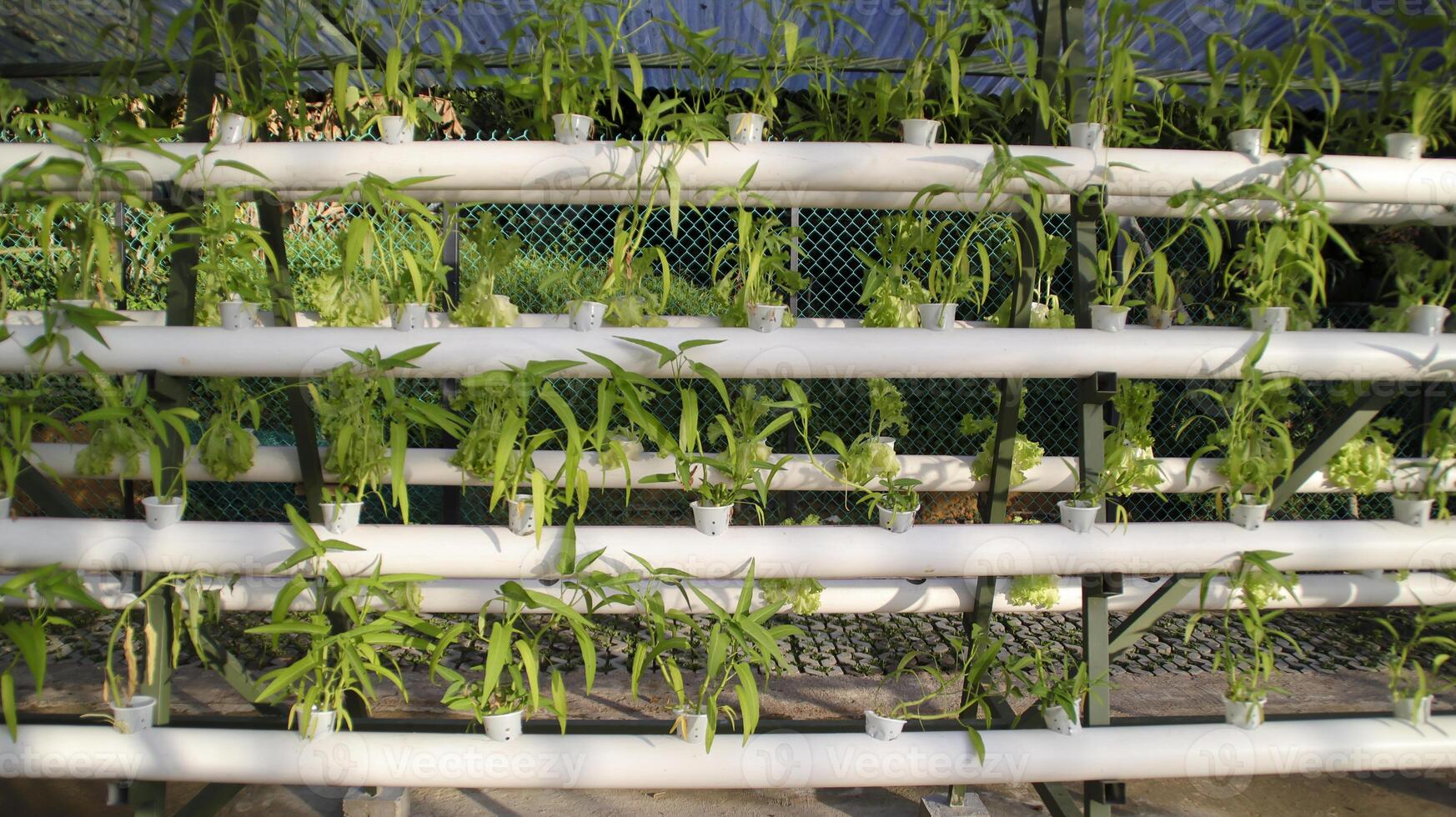
4. Land Efficiency and Space Optimization: Hydroponics allows for vertical farming, maximizing space utilization and enabling cultivation even in urban areas with limited land availability. This is particularly relevant for kangkong, which requires a significant amount of land for traditional cultivation.
5. Year-Round Production: Hydroponics allows for controlled temperature and light conditions, enabling year-round production regardless of seasonal variations. This ensures a consistent supply of fresh kangkong for consumers throughout the year.
6. Nutrient Management and Control: Hydroponics provides precise control over nutrient delivery, ensuring that plants receive the optimal balance of nutrients for optimal growth. This eliminates the risk of nutrient deficiencies or imbalances that can occur in soil-based cultivation.
7. Reduced Labor Costs: Hydroponic systems often require less manual labor compared to traditional methods. Automation and technology can be integrated into the system, reducing the need for intensive manual tasks such as weeding and pest control.
Understanding the Different Hydroponic Systems for Kangkong Cultivation
- The Crispy Verdict: A Review Of RG Fried Chicken Melati
- Finding Your Perfect Bite: A Guide To Delicious Chicken Filet Options Near You
- A Crispy, Golden Journey: Exploring The World Of Chicken Pommes Frites
- The Carrot Nantaise 2: A Review Of The Quirky, Sustainable, And Surprisingly Capable Electric Vehicle
- Chick-fil-A: A Review Of The "My First Job" Experience
Various hydroponic systems are available, each with its own advantages and disadvantages. Here are some of the most common systems used for kangkong cultivation:
1. Deep Water Culture (DWC): This system involves growing plants in a container filled with nutrient-rich water. The roots are submerged in the solution, ensuring constant access to nutrients and oxygen. DWC is a simple and cost-effective system, but it requires careful monitoring to prevent root rot and maintain water quality.
2. Nutrient Film Technique (NFT): NFT involves growing plants in a shallow channel where a thin film of nutrient solution flows continuously. This system provides efficient nutrient delivery and promotes healthy root development. NFT is relatively easy to manage and requires less water than DWC.
3. Aeroponics: This system involves growing plants with their roots suspended in the air. The roots are regularly misted with a nutrient-rich solution, providing a highly oxygenated environment. Aeroponics offers faster growth rates and higher yields than other systems but requires more technical expertise and can be more expensive to set up.
4. Ebb and Flow (Flood and Drain): This system involves periodically flooding the growing medium with nutrient solution and then draining it. This allows for efficient nutrient delivery and promotes healthy root development. Ebb and flow systems are relatively easy to manage and offer good control over nutrient levels.
Choosing the Right System: The selection of the most suitable hydroponic system for kangkong cultivation depends on several factors, including:
- Budget: DWC is generally the most cost-effective system, while aeroponics can be more expensive.
- Space availability: NFT and DWC are suitable for smaller spaces, while ebb and flow systems require more space.
- Technical expertise: DWC and NFT are relatively easy to manage, while aeroponics requires more technical knowledge.
- Desired yield and growth rate: Aeroponics offers the fastest growth rates and highest yields, while DWC and NFT provide good yields with less technical complexity.
Kangkong Hydroponics: Optimal Growing Conditions and Practices
To maximize the success of hydroponic kangkong cultivation, it is crucial to understand and optimize the growing conditions. Here are some key factors to consider:
1. Nutrient Solution: The nutrient solution plays a critical role in providing the essential nutrients for kangkong growth. A balanced solution containing nitrogen, phosphorus, potassium, calcium, magnesium, and micronutrients is essential. The specific nutrient ratios and concentrations may vary depending on the chosen system and the stage of plant growth.
2. Water Quality: The quality of water used in hydroponic systems is crucial for plant health. It should be free of contaminants like chlorine, heavy metals, and salts. Water purification methods like reverse osmosis or dechlorination can be used to ensure optimal water quality.
- The Crispy Verdict: A Review Of RG Fried Chicken Melati
- Finding Your Perfect Bite: A Guide To Delicious Chicken Filet Options Near You
- A Crispy, Golden Journey: Exploring The World Of Chicken Pommes Frites
- The Carrot Nantaise 2: A Review Of The Quirky, Sustainable, And Surprisingly Capable Electric Vehicle
- Chick-fil-A: A Review Of The "My First Job" Experience
3. pH and EC Levels: The pH and electrical conductivity (EC) of the nutrient solution should be monitored and adjusted regularly. The optimal pH range for kangkong is typically between 5.5 and 6.5, while the EC should be maintained at a level suitable for the specific growth stage.
4. Light Intensity and Duration: Kangkong requires ample sunlight or artificial light for optimal growth. The daily light duration should be at least 12 hours, with an intensity of around 1000-1500 lux.
5. Temperature and Humidity: The ideal temperature range for kangkong growth is between 25°C and 30°C. High humidity levels can lead to fungal diseases, so maintaining proper ventilation and humidity control is crucial.
6. Planting Density and Spacing: The planting density and spacing should be optimized to ensure adequate air circulation and prevent overcrowding. The optimal spacing for kangkong in hydroponic systems is typically 10-15 cm between plants.
7. Harvesting and Post-Harvest Handling: Kangkong is typically harvested when the leaves are fully grown and tender. The harvesting process should be done carefully to avoid damaging the plants. After harvesting, the kangkong should be washed, dried, and stored properly to maintain freshness and quality.
Benefits of Hydroponic Kangkong for Farmers and Consumers
Hydroponic kangkong cultivation offers numerous benefits for both farmers and consumers:
For Farmers:
- Increased profitability: Higher yields and faster growth rates lead to increased revenue and profitability.
- Reduced production costs: Water conservation, efficient nutrient management, and reduced labor requirements contribute to lower production costs.
- Improved product quality: Controlled environment and reduced pest and disease pressure result in higher-quality produce with better shelf life.
- Year-round production: Consistent supply of fresh kangkong throughout the year enables farmers to capitalize on market opportunities and reduce seasonal fluctuations.
- Enhanced sustainability: Water conservation, reduced chemical use, and minimal land requirements make hydroponic kangkong cultivation a more sustainable farming practice.
For Consumers:
- Fresh and nutritious produce: Hydroponic kangkong is typically fresher and more nutritious than soil-grown kangkong, due to optimized growing conditions and reduced exposure to pesticides.
- Wider availability: Year-round production ensures a consistent supply of fresh kangkong, even during off-season periods.
- Environmentally friendly: Reduced chemical use and water conservation contribute to a more environmentally friendly food production system.
- Support for local farmers: By choosing hydroponic kangkong, consumers support local farmers who are adopting sustainable and innovative farming practices.
Challenges and Considerations for Hydroponic Kangkong Cultivation
While hydroponic kangkong cultivation offers numerous advantages, it also presents some challenges and considerations:
- Initial setup costs: Setting up a hydroponic system can be relatively expensive, especially for large-scale commercial operations.
- Technical expertise: Maintaining a hydroponic system requires technical knowledge and regular monitoring to ensure optimal growing conditions.
- Energy consumption: Some hydroponic systems, particularly aeroponics, require significant energy consumption for lighting, water pumps, and other equipment.
- Disease and pest control: While hydroponic systems offer a more sterile environment, pests and diseases can still occur. Regular monitoring and preventive measures are crucial.
- Market access and consumer acceptance: Consumers may not be familiar with hydroponic produce or may have concerns about its safety or taste.
The Future of Hydroponic Kangkong: A Sustainable and Promising Path
Hydroponic kangkong cultivation is rapidly gaining popularity as a sustainable and efficient alternative to traditional methods. Its ability to overcome limitations related to land availability, water scarcity, and pest and disease pressure makes it a promising solution for both small-scale home gardens and large-scale commercial operations.
As research and technology continue to advance, we can expect to see further improvements in hydroponic systems, leading to even higher yields, lower costs, and greater sustainability. The future of kangkong cultivation lies in embracing innovative approaches like hydroponics, which can contribute to a more resilient and sustainable food system for the benefit of both farmers and consumers.
sure
Thus, we hope this article has provided valuable insights into Hydroponic Kangkong: A Review of the Vehicle for Sustainable Farming. We hope you find this article informative and beneficial. See you in our next article!

Posting Komentar untuk "Hydroponic Kangkong: A Review Of The Vehicle For Sustainable Farming"