Perbedaan Kobe Dan Wagyu
perbedaan kobe dan wagyu
Kobe vs. Wagyu: Unveiling the Secrets of Japan’s Culinary Gems
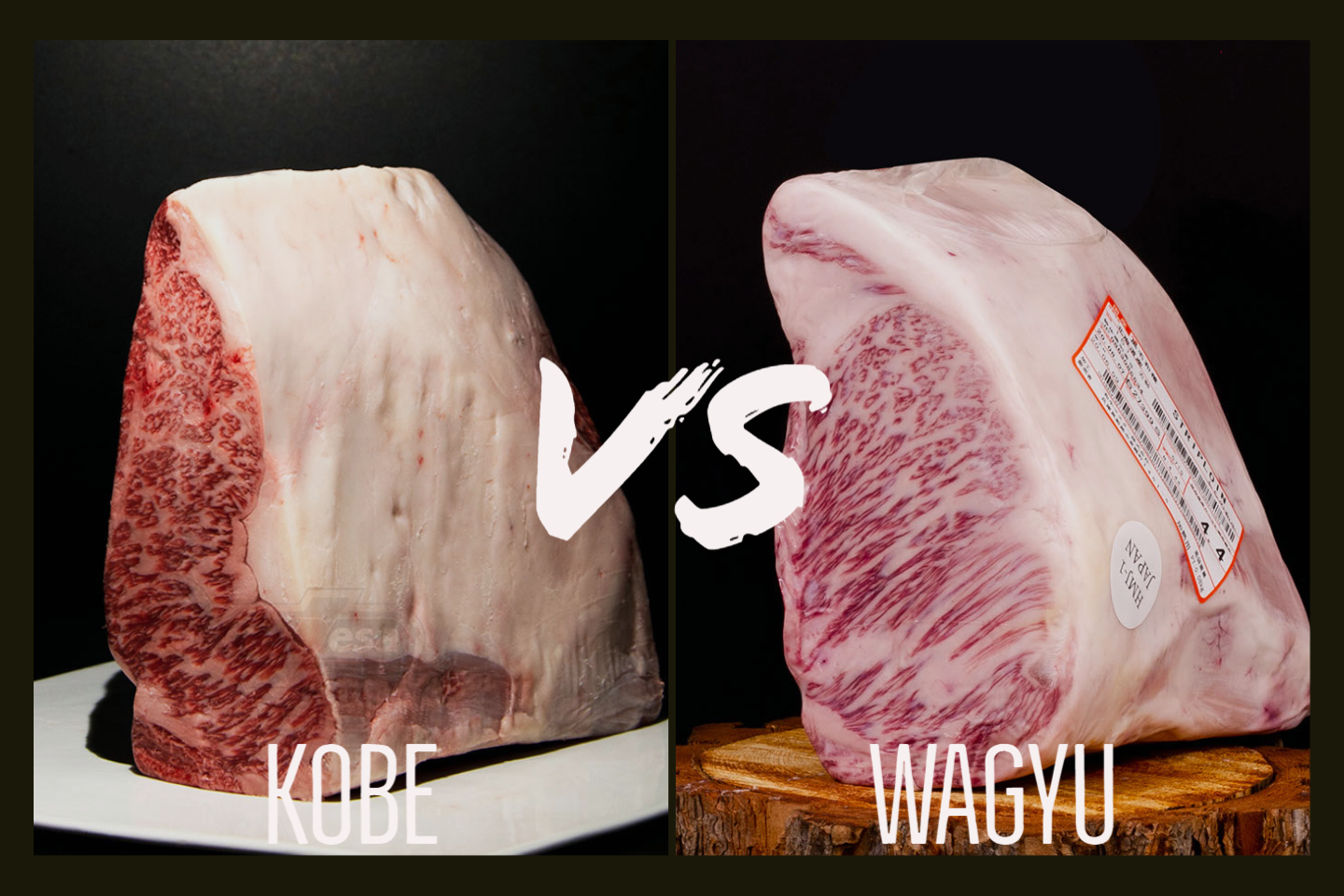
The world of fine dining is often adorned with exotic delicacies, and few captivate the senses quite like Japanese Wagyu beef. However, amidst the allure of this prized meat, a common misconception arises: the belief that all Wagyu is Kobe. While both boast exceptional marbling and tenderness, they are distinct breeds with unique characteristics and origins. This article delves into the fascinating world of Kobe and Wagyu, unveiling their differences and shedding light on what makes them culinary treasures.
Wagyu: The Foundation of Japanese Beef Excellence
"Wagyu" translates to "Japanese cow," encompassing four distinct breeds: Japanese Black, Japanese Brown, Japanese Shorthorn, and Japanese Polled. While all share the defining characteristic of exceptional intramuscular fat, known as marbling, each breed possesses its own unique traits.
- Japanese Black (Kuroge Wagyu): The most popular breed, accounting for over 90% of Wagyu cattle in Japan. Renowned for its rich, buttery flavor and melt-in-your-mouth texture.
- Japanese Brown (Akage Wagyu): Known for its leaner profile and slightly firmer texture compared to Japanese Black. Often used for ground beef and other culinary applications.
- Japanese Shorthorn (Akaushi Wagyu): The rarest of the Wagyu breeds, prized for its exceptional tenderness and delicate flavor.
- Japanese Polled (Mukaku Wagyu): Characterized by its lack of horns, this breed is known for its high-quality meat and excellent marbling.
Table of Content
Kobe: The Pinnacle of Wagyu Excellence
Kobe beef, a highly sought-after delicacy, is a specific type of Wagyu, originating from the Hyogo Prefecture in Japan. However, it’s not just any Japanese Black; Kobe beef adheres to strict guidelines ensuring its superior quality.
Here’s what sets Kobe beef apart:
- The Wagyu: A Luxurious Ride With A Japanese Soul
- The 2023 Audi A5: A Symphony Of Style, Substance, And Sport
- Wagyu: The Rolls Royce Of Beef, But Can It Drive?
- Wagyu: The Ultimate Guide To Japan’s Luxurious Beef
- Beef Dadu Wagyu: A Review Of This Unique And Delicious Breed
- Breed: Only Japanese Black cattle born and raised in Hyogo Prefecture qualify.
- Bloodline: Must be purebred Japanese Black, tracing back to specific lineages.
- Diet: Cows are fed a carefully crafted diet of high-quality grains, grasses, and rice bran, promoting marbling and flavor.
- Massage and Grooming: Cows are regularly massaged and brushed to reduce stress and improve blood circulation, contributing to the tenderness and marbling of the meat.
- Strict Grading System: The "Kobe Beef Grading System" evaluates the meat based on color, marbling, firmness, and fat color, with only the highest grades being designated as "Kobe Beef."
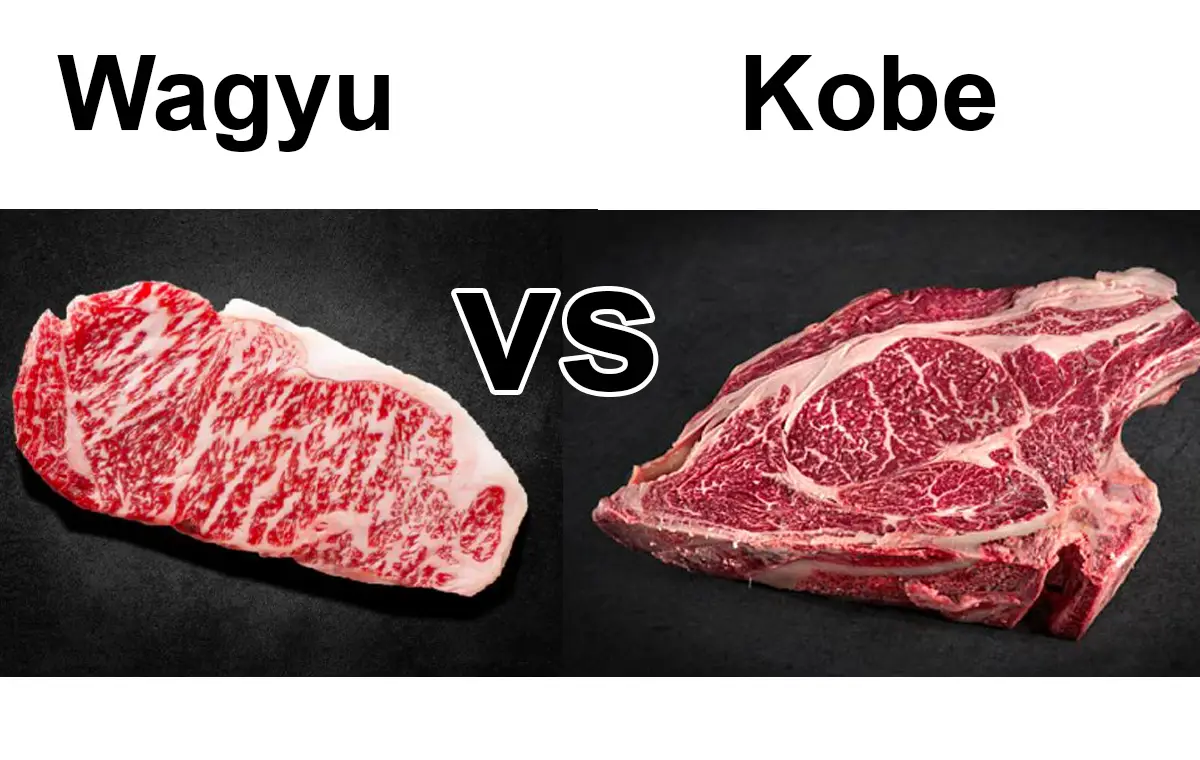
Unveiling the Differences: Kobe vs. Wagyu
While all Wagyu breeds boast remarkable marbling and flavor, Kobe beef stands out due to its stringent criteria and meticulous breeding practices. Here’s a breakdown of the key differences:
Origin:
- Wagyu: Can be raised in various regions of Japan and even internationally.
- Kobe: Exclusively produced in the Hyogo Prefecture of Japan.
Breed:
- The Wagyu: A Luxurious Ride With A Japanese Soul
- The 2023 Audi A5: A Symphony Of Style, Substance, And Sport
- Wagyu: The Rolls Royce Of Beef, But Can It Drive?
- Wagyu: The Ultimate Guide To Japan’s Luxurious Beef
- Beef Dadu Wagyu: A Review Of This Unique And Delicious Breed
- Wagyu: Encompasses four distinct breeds, including Japanese Black, Japanese Brown, Japanese Shorthorn, and Japanese Polled.
- Kobe: Solely from the Japanese Black breed.
Grading System:
- Wagyu: Evaluated using the Japanese Meat Grading System, with different grades based on marbling, color, and firmness.
- Kobe: Subject to the additional "Kobe Beef Grading System," which further scrutinizes the meat for specific qualities.
Diet and Care:
- Wagyu: While generally fed a high-quality diet, the specific regimen can vary depending on the breed and farm.
- Kobe: Cows are meticulously raised on a carefully crafted diet and receive regular massage and grooming for optimal tenderness and marbling.
Taste and Texture:
- Wagyu: Known for its rich, buttery flavor, tender texture, and varying degrees of marbling depending on the breed and grading.
- Kobe: Renowned for its exceptionally buttery flavor, melt-in-your-mouth texture, and unparalleled marbling.
Price:
- Wagyu: Price varies depending on breed, grading, and origin, with higher-grade Wagyu being more expensive.
- Kobe: Generally the most expensive type of Wagyu, due to its strict production standards and limited availability.
The Culinary Significance of Kobe and Wagyu
Kobe and Wagyu beef are not merely meat; they are culinary masterpieces, revered for their exquisite flavor and unparalleled texture. Their unique qualities stem from generations of selective breeding and meticulous care, resulting in a dining experience that transcends ordinary.
Wagyu: This versatile beef finds its way into a wide range of dishes, from classic Japanese stews and sukiyaki to contemporary Western creations. Its rich flavor and tender texture make it ideal for grilling, roasting, and pan-searing, adding a touch of luxury to any culinary endeavor.
Kobe: The pinnacle of Wagyu excellence, Kobe beef is often reserved for special occasions and fine dining establishments. Its exceptional marbling and buttery flavor make it a culinary delight, best enjoyed in simple preparations that showcase its natural qualities.
Beyond the Plate: The Cultural Significance of Wagyu
Wagyu beef holds a significant place in Japanese culture, representing a symbol of luxury, tradition, and culinary excellence. The meticulous care and breeding practices employed for generations reflect a deep appreciation for quality and craftsmanship.
- Farming Practices: Wagyu farming is often seen as an art form, with farmers taking immense pride in their cattle and the quality of the meat they produce.
- Cultural Heritage: Wagyu beef is deeply ingrained in Japanese culinary traditions, playing a prominent role in festivals and special occasions.
- National Pride: The global recognition of Wagyu beef as a culinary treasure has fostered a sense of national pride in Japan.
Navigating the World of Kobe and Wagyu: A Guide for the Discerning Diner
When seeking the ultimate Wagyu experience, understanding the nuances between Kobe and other Wagyu breeds is crucial. Here’s a guide for discerning diners:
- Authenticity: Insist on authentic Kobe beef, ensuring it’s certified by the "Kobe Beef Grading System."
- Grading: Be aware of the different Wagyu grades, understanding that higher grades generally indicate better marbling and flavor.
- Source: Ask about the origin of the Wagyu beef, as the region can influence its characteristics.
- Preparation: Embrace simple preparations that allow the natural flavors and texture of Wagyu to shine.
- Enjoyment: Savor the experience, appreciating the rich history, tradition, and culinary excellence embodied in this exceptional meat.
Conclusion: A Culinary Journey of Distinction
The world of Kobe and Wagyu offers a fascinating journey into the realm of culinary excellence. While both share the defining characteristic of exceptional marbling and tenderness, their distinct origins and production standards create unique experiences. Whether you’re seeking the unparalleled luxury of Kobe beef or the versatile flavors of other Wagyu breeds, embracing these culinary treasures promises a journey of sensory delight. As you delve into the world of Japanese beef, remember to appreciate the craftsmanship, tradition, and cultural significance that make these delicacies truly extraordinary.
sure
Thus, we hope this article has provided valuable insights into perbedaan kobe dan wagyu. We thank you for taking the time to read this article. See you in our next article!

Posting Komentar untuk "Perbedaan Kobe Dan Wagyu"