A Journey Through Flavor: A Review Of Châteaubriand Steak
A Journey Through Flavor: A Review of Châteaubriand Steak
A Journey Through Flavor: A Review of Châteaubriand Steak
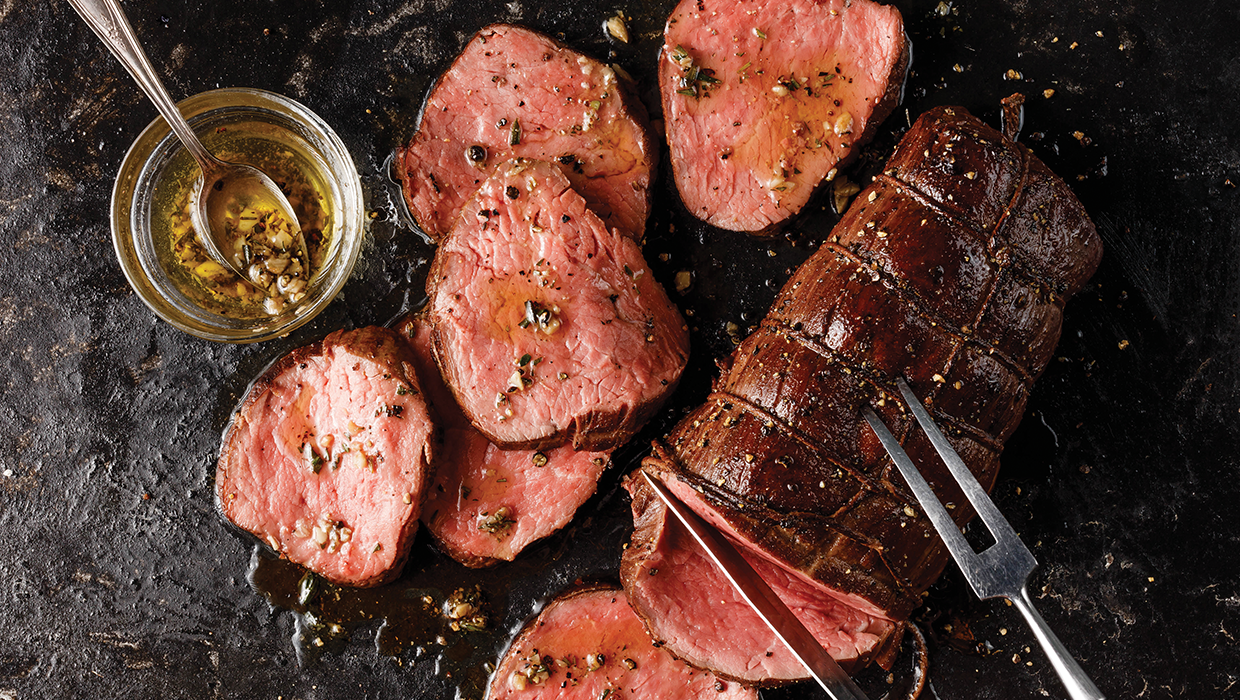
Châteaubriand, a culinary masterpiece named after the French diplomat Vicomte François René de Chateaubriand, stands as a testament to the art of fine dining. This tender, flavorful cut of beef, typically sourced from the center of the tenderloin, is a culinary icon, gracing tables in upscale restaurants and intimate gatherings alike.
But what truly makes Châteaubriand so special? Is it the tender texture, the rich flavor, or the sheer elegance of its presentation? To answer these questions, we embarked on a culinary journey, exploring the nuances of Châteaubriand, from its origins and preparation to the ultimate taste experience.
A Cut Above: The Origins and Preparation of Châteaubriand
The Châteaubriand steak, often served as a center-cut filet mignon, originates from the most tender part of the beef tenderloin. This muscle, located along the animal’s backbone, is minimally used, resulting in a remarkably delicate and flavorful cut.
The preparation of Châteaubriand is a testament to the artistry of cooking. It’s a process that demands precision, patience, and an appreciation for the nuances of flavor.
Table of Content
The Ideal Cut:
- Size and Shape: A classic Châteaubriand is typically a thick, cylindrical piece of meat, usually weighing between 1 and 2 pounds. This allows for even cooking and ensures that the center remains juicy and tender.
- Marbling: The marbling, or the streaks of fat within the meat, is crucial for flavor and tenderness. Look for a well-marbled cut with a good balance of lean and fat.
- Quality: Opt for high-quality beef, ideally from a reputable source. Prime or Choice grades are generally preferred for their superior flavor and tenderness.
Preparation Techniques:
- Chick-fil-A Near Me: A Review Of The Chicken Sandwich Experience
- A Feast For The Senses: Exploring The World Of Wagyu A5
- Chick-fil-A’s Breakfast: A Review Fit For A King (or Queen)
- The Great Green Fleet: A Review Of The Vegetable Kingdom’s Finest
- Tostada Pollo Loco: A Review Of The Wheels That Keep Your Taste Buds Rolling
- Seasoning: Simple seasoning is key to highlighting the natural flavors of the meat. Salt and pepper are the classic choices, while herbs like rosemary or thyme can add a subtle complexity.
- Cooking: Châteaubriand is best cooked using dry heat methods like grilling, pan-searing, or broiling. These techniques create a flavorful crust while retaining the tenderness of the meat.
- Doneness: The ideal doneness for Châteaubriand is medium-rare, ensuring a tender and juicy interior. However, personal preferences vary, so cook to your desired level of doneness.
- Resting: After cooking, it’s crucial to let the Châteaubriand rest for 10-15 minutes before slicing. This allows the juices to redistribute, resulting in a more flavorful and tender steak.
The Art of Presentation: A Culinary Masterpiece
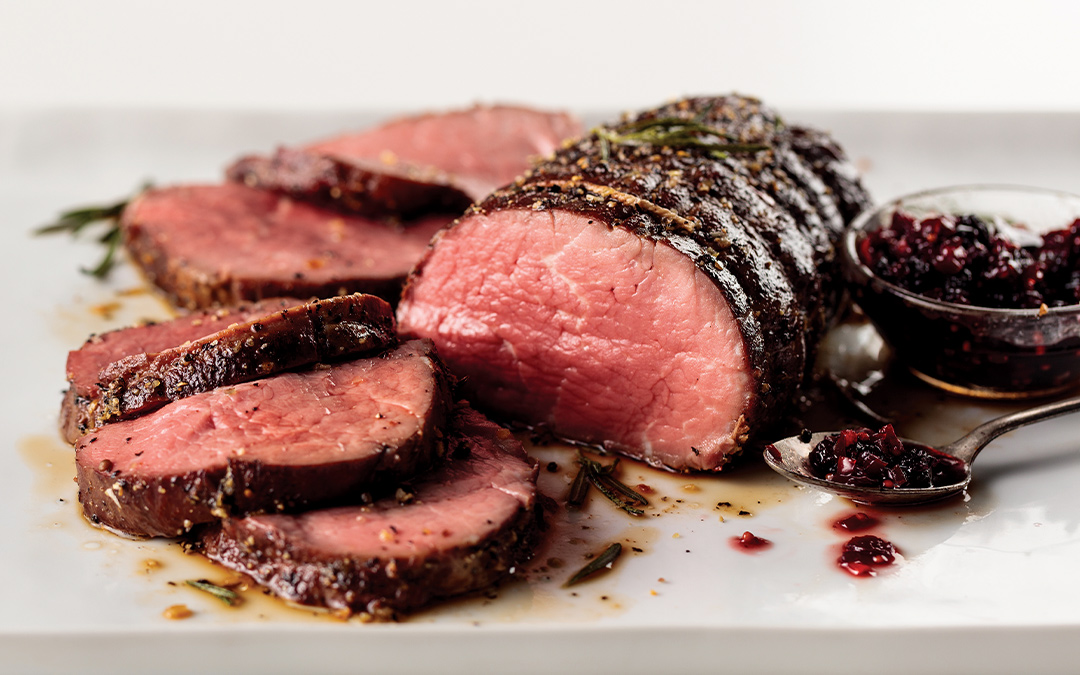
The presentation of Châteaubriand is as crucial as its preparation. It’s a dish that commands attention and elevates the dining experience to an art form.
- Slicing: The Châteaubriand is traditionally sliced into medallions, showcasing the beautiful marbling and tender texture. The slices are typically arranged on a platter, creating a visually stunning display.
- Accompaniments: The steak is often served with classic accompaniments like béarnaise sauce, roasted vegetables, or creamy mashed potatoes. These elements complement the rich flavor of the Châteaubriand, creating a harmonious symphony of taste.
- Garnishes: A touch of fresh herbs, a sprinkle of sea salt, or a drizzle of truffle oil can elevate the presentation to new heights. These subtle additions enhance the visual appeal and add a touch of elegance.
A Symphony of Flavors: A Review of the Châteaubriand Experience
The taste of Châteaubriand is a journey through a symphony of flavors. It’s a culinary experience that engages all the senses, leaving an unforgettable impression.
- Chick-fil-A Near Me: A Review Of The Chicken Sandwich Experience
- A Feast For The Senses: Exploring The World Of Wagyu A5
- Chick-fil-A’s Breakfast: A Review Fit For A King (or Queen)
- The Great Green Fleet: A Review Of The Vegetable Kingdom’s Finest
- Tostada Pollo Loco: A Review Of The Wheels That Keep Your Taste Buds Rolling
- Tenderness: The texture of Châteaubriand is a revelation. The meat melts in your mouth, offering a delicate and effortless eating experience.
- Flavor: The rich, buttery flavor of the beef is enhanced by the marbling and the subtle notes of seasoning. The taste is both savory and satisfying, leaving you wanting more.
- Accompaniments: The accompaniments play a crucial role in enhancing the overall experience. The creamy béarnaise sauce, the earthy roasted vegetables, and the comforting mashed potatoes create a harmonious blend of flavors that complements the Châteaubriand perfectly.
Beyond the Plate: The Cultural Significance of Châteaubriand
Châteaubriand is not just a dish; it’s a culinary icon that transcends cultural boundaries. It’s a symbol of luxury, sophistication, and the art of fine dining.
- Historical Significance: The dish’s namesake, Vicomte François René de Chateaubriand, was a renowned French diplomat and writer who contributed significantly to French literature and culture. The steak is named after him as a tribute to his culinary legacy.
- Cultural Influence: Châteaubriand has become a staple in high-end restaurants worldwide. It’s a dish that’s often reserved for special occasions, symbolizing celebration and indulgence.
- Global Appeal: The popularity of Châteaubriand extends beyond French borders. It’s enjoyed by food enthusiasts across the globe, who appreciate its exquisite taste and elegant presentation.
Conclusion: A Culinary Masterpiece for Every Occasion
Châteaubriand is more than just a steak; it’s a culinary masterpiece that embodies the art of fine dining. Its tender texture, rich flavor, and elegant presentation make it a dish that’s both satisfying and unforgettable.
Whether you’re celebrating a special occasion, indulging in a romantic dinner, or simply seeking a culinary adventure, Châteaubriand is a dish that will leave a lasting impression. So, take a journey through flavor and experience the magic of this iconic steak.
sure
Thus, we hope this article has provided valuable insights into A Journey Through Flavor: A Review of Châteaubriand Steak. We hope you find this article informative and beneficial. See you in our next article!

Posting Komentar untuk "A Journey Through Flavor: A Review Of Châteaubriand Steak"