A Culinary Journey: Exploring The World Of Satsu Wagyu
A Culinary Journey: Exploring the World of Satsu Wagyu
A Culinary Journey: Exploring the World of Satsu Wagyu
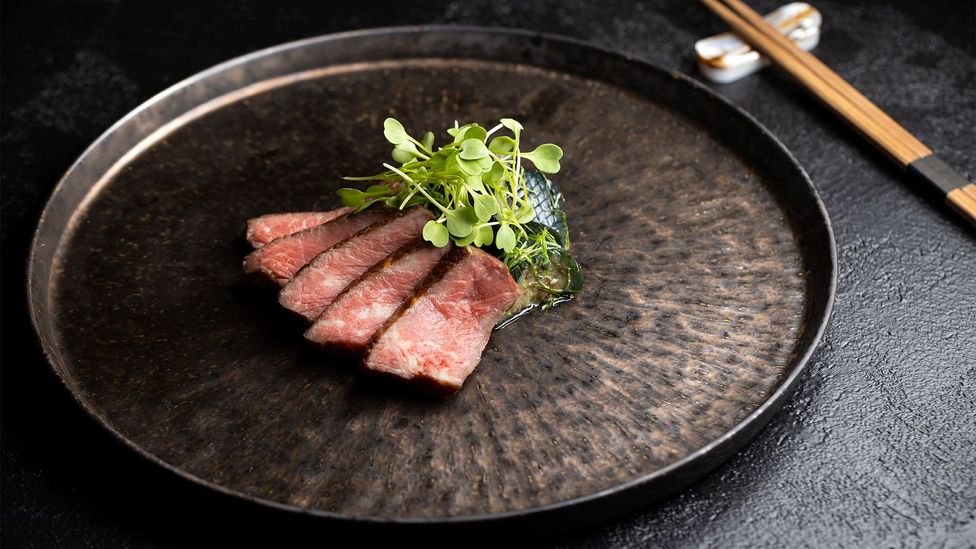
The world of Wagyu beef, renowned for its unparalleled marbling and buttery tenderness, is a tapestry woven with diverse regional variations. One such captivating thread is Satsu Wagyu, a breed hailing from the southern island of Kyushu, Japan. This unique breed, with its rich history and distinct characteristics, offers a captivating culinary experience that transcends mere indulgence.
Origins and History:
Satsu Wagyu, also known as Kagoshima Wagyu, traces its lineage back to the late 19th century. While the exact origin remains shrouded in some mystery, it is believed to have emerged from a crossbreeding of native Japanese cattle with imported Western breeds. This fusion, coupled with the unique climate and terrain of Kagoshima prefecture, gave birth to a breed with distinctive qualities that have captivated palates for generations.
The region’s volcanic soil, rich in minerals, provides a fertile ground for the cattle to graze on lush pastures. The subtropical climate, characterized by warm temperatures and ample rainfall, contributes to the cattle’s healthy growth and the development of their distinctive marbling. The traditional farming practices, emphasizing free-range grazing and a diet of carefully selected grasses and grains, further enhance the beef’s flavor and tenderness.
Distinguishing Characteristics:
Table of Content
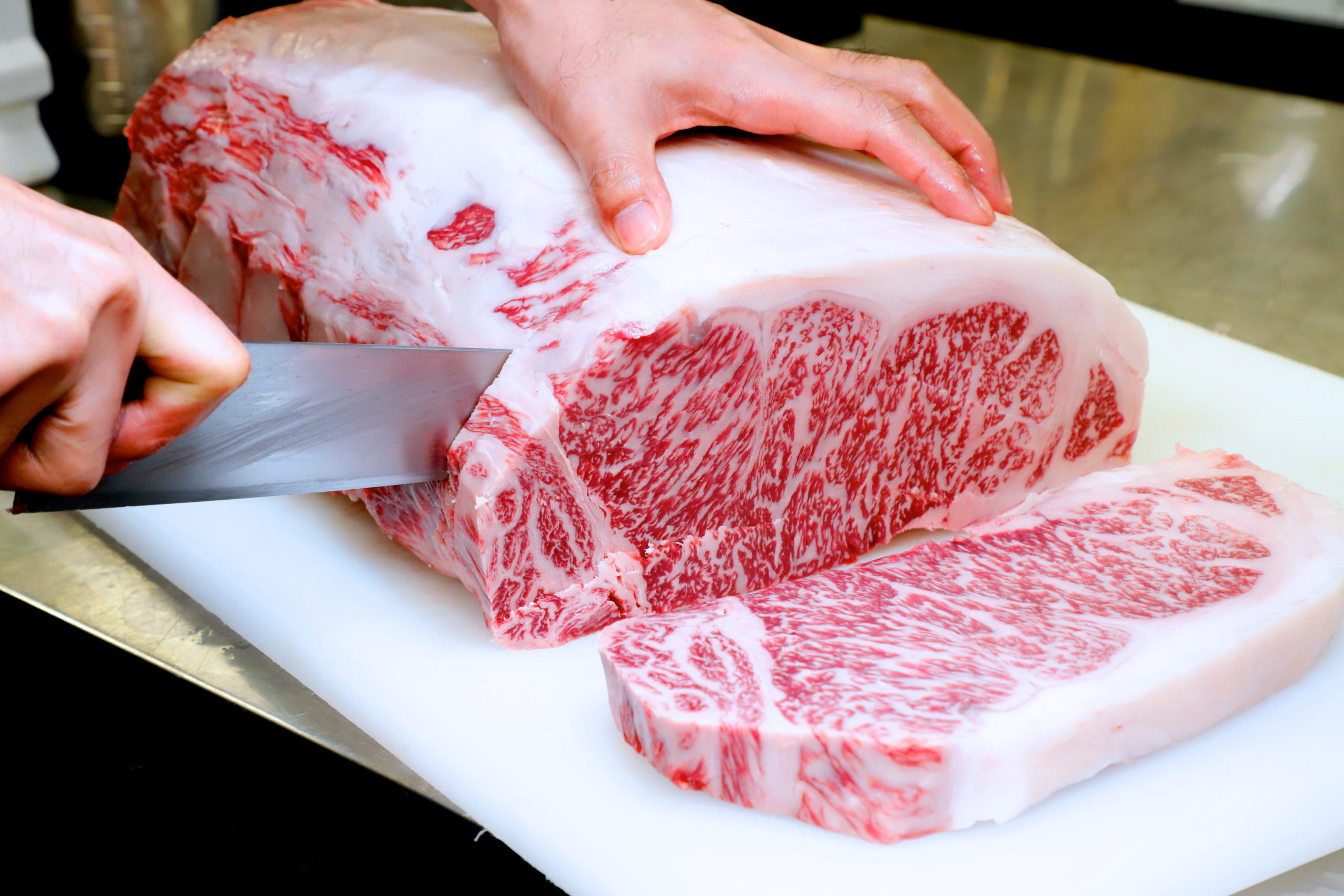
Satsu Wagyu stands out for its exceptional marbling, surpassing even the renowned Kobe Wagyu in some cases. The intricate network of fat, known as "shima," creates a visually striking pattern, resembling a delicate lacework woven throughout the lean muscle. This marbling is not merely aesthetic; it plays a crucial role in delivering the signature buttery texture and rich flavor that defines Satsu Wagyu.
Beyond its marbling, Satsu Wagyu possesses a unique flavor profile. The beef exhibits a deep, savory umami that lingers on the palate, complemented by a subtle sweetness and a hint of nuttiness. This complex flavor profile is a testament to the breed’s genetic makeup, the quality of its diet, and the traditional farming methods employed in Kagoshima.
The Culinary Experience:
Satsu Wagyu is a culinary treasure, prized for its versatility and ability to elevate any dish. It is often enjoyed in its purest form, grilled or pan-seared to perfection, allowing the natural flavors to shine through. The meltingly tender texture and rich flavor profile make it an ideal choice for steaks, sukiyaki, shabu-shabu, and other Japanese delicacies.
The high fat content of Satsu Wagyu contributes to its exceptional juiciness and tenderness, making it a popular choice for sushi and sashimi. The finely marbled meat melts in the mouth, releasing a cascade of flavors that tantalize the taste buds.
Beyond the Plate:
Satsu Wagyu is not just a culinary delight; it is also a symbol of Japanese tradition and craftsmanship. The meticulous care and attention given to the cattle, from their diet to their living environment, reflect a deep respect for nature and a commitment to quality.
- A Feast For The Senses: Exploring The Exquisite World Of A5 Wagyu Beef
- Perbedaan Kobe Dan Wagyu
- A Journey Through Wagyu: Exploring The Flavorful World Of Japanese Beef
- The Kobe A4: A Review Of The Modern Classic
- A Wagyu Journey: Exploring The 1 Loaf A5 Beef Experience
The production of Satsu Wagyu is a testament to the enduring values of Japanese agriculture, where generations of farmers have honed their skills and passed down their knowledge, ensuring the continuity of this precious heritage.
The Future of Satsu Wagyu:
Satsu Wagyu is experiencing a surge in popularity both within Japan and internationally. Chefs and food enthusiasts alike are drawn to its exceptional quality and unique flavor profile. As demand grows, the challenge lies in maintaining the high standards of production and ensuring the sustainability of the breed.
The future of Satsu Wagyu depends on preserving the traditional farming practices that have shaped its distinctive qualities. Continued investment in research and development is crucial to enhance breeding techniques and ensure the health and well-being of the cattle.
A Culinary Journey Awaits:
For those seeking a culinary adventure, a taste of Satsu Wagyu is a must. The exquisite marbling, the rich flavor, and the tender texture combine to create an unforgettable experience that transcends mere indulgence.
Beyond the plate, Satsu Wagyu embodies a story of tradition, craftsmanship, and a deep respect for nature. It is a testament to the enduring legacy of Japanese agriculture and a reminder of the power of food to connect us to our heritage and to the world around us.
Exploring Satsu Wagyu: A Deeper Dive
The Significance of Marbling:
The intricate network of fat within Satsu Wagyu, known as "shima," is a testament to the breed’s genetic makeup and the unique environment in which it is raised. This marbling is not just a visual delight; it plays a crucial role in determining the beef’s texture, flavor, and juiciness.
The fat, composed primarily of monounsaturated and polyunsaturated fatty acids, melts at a lower temperature than lean muscle. This characteristic creates the signature buttery texture that defines Satsu Wagyu. As the fat melts, it releases flavorful compounds, enhancing the overall taste and adding a layer of richness to the beef.
The Importance of Diet:
The diet of Satsu Wagyu plays a crucial role in shaping its flavor and texture. The cattle are typically raised on a carefully controlled diet of grasses, grains, and other natural ingredients. The specific blend of feed varies depending on the season and the farmer’s preferences, but the emphasis remains on providing a nutritious and balanced diet.
The inclusion of specific grains, such as barley and corn, contributes to the marbling and the development of the unique flavor profile. The free-range grazing, allowing the cattle to forage on lush pastures, also plays a significant role in enhancing the flavor and tenderness of the beef.
Traditional Farming Practices:
Satsu Wagyu is a testament to the enduring values of Japanese agriculture, where generations of farmers have honed their skills and passed down their knowledge. The traditional farming practices employed in Kagoshima prefecture are integral to the breed’s distinctive qualities.
- A Feast For The Senses: Exploring The Exquisite World Of A5 Wagyu Beef
- Perbedaan Kobe Dan Wagyu
- A Journey Through Wagyu: Exploring The Flavorful World Of Japanese Beef
- The Kobe A4: A Review Of The Modern Classic
- A Wagyu Journey: Exploring The 1 Loaf A5 Beef Experience
These practices emphasize free-range grazing, allowing the cattle to roam freely and engage in natural behaviors. The farmers also prioritize the cattle’s well-being, ensuring they have access to clean water, fresh air, and ample space to move around.
The Role of Genetics:
The genetic makeup of Satsu Wagyu is a key factor in its exceptional marbling and flavor. The breed’s lineage traces back to a unique combination of native Japanese cattle and imported Western breeds, resulting in a distinct genetic profile.
The specific genes responsible for marbling and flavor are still being studied, but it is clear that the breed’s genetic heritage plays a crucial role in its distinctive qualities.
Satsu Wagyu: A Culinary Gem
Satsu Wagyu is more than just a premium beef; it is a culinary treasure, a testament to the enduring legacy of Japanese agriculture, and a reminder of the power of food to connect us to our heritage and to the world around us. The exceptional marbling, the rich flavor, and the tender texture combine to create an unforgettable experience that elevates any dish and tantalizes the taste buds.
For those seeking a culinary adventure, a taste of Satsu Wagyu is a must. It is a journey that begins on the lush pastures of Kagoshima prefecture and culminates in a symphony of flavors that lingers on the palate long after the last bite.
sure
Thus, we hope this article has provided valuable insights into A Culinary Journey: Exploring the World of Satsu Wagyu. We hope you find this article informative and beneficial. See you in our next article!

Posting Komentar untuk "A Culinary Journey: Exploring The World Of Satsu Wagyu"