The Vegea 250g: A Sustainable Revolution In Vegan Leather?
The Vegea 250g: A Sustainable Revolution in Vegan Leather?
The Vegea 250g: A Sustainable Revolution in Vegan Leather?

The quest for sustainable alternatives to animal-based materials has become a central theme in the fashion and automotive industries. Vegan leather, in particular, has emerged as a promising solution, with Vegea’s 250g material leading the charge. But is this innovative material truly a game-changer, or does it fall short of its lofty ambitions? Let’s delve into the world of Vegea 250g, exploring its origins, properties, and potential applications.
From Wine Grapes to Vegan Leather: A Story of Innovation
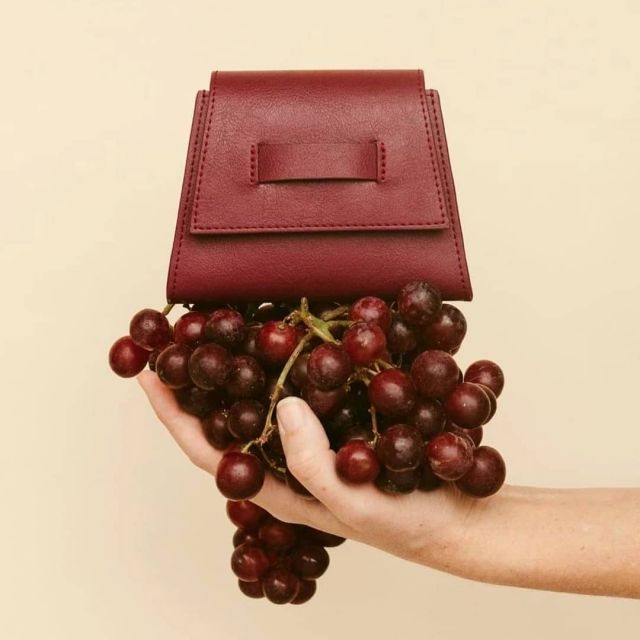
Vegea, a company born in Italy, is at the forefront of bio-based materials, utilizing a groundbreaking process to transform wine grape skins and seeds into a high-performance, vegan leather alternative. The process begins with the collection of discarded grape waste, a byproduct of the winemaking industry. This waste, which would otherwise end up in landfills, is meticulously cleaned and processed, utilizing a blend of water and natural polymers. The resulting material, Vegea 250g, boasts a unique combination of sustainability, durability, and versatility.
Properties that Matter: A Closer Look at Vegea 250g
Vegea 250g, with its 250 grams per square meter weight, exhibits a remarkable set of properties that make it a compelling alternative to traditional leather:
Table of Content
Sustainability: At its core, Vegea 250g embodies sustainability. By repurposing wine grape waste, it reduces landfill waste and minimizes the environmental impact associated with leather production. This circular approach minimizes resource consumption and contributes to a more sustainable future.
Durability: Vegea 250g demonstrates remarkable durability, rivaling the performance of conventional leather. It boasts excellent tear and abrasion resistance, making it suitable for a wide range of applications. Its strength and resilience make it an ideal choice for upholstery, footwear, and even automotive interiors.
- The Great Green Race: A Review Of The Top Contenders In The Vegetable World
- Veggie Reviews: A Guide To The Produce Aisle Powerhouses
- The Carrot And The Stick: A Comprehensive Review Of The Kartu Carrot
- Angus A5: A Review Of The Strikingly Different
- The Robot Coupe CL 52: A Culinary Workhorse For Professional Kitchens
Versatility: Vegea 250g is highly versatile, offering a range of finishes and textures. It can be embossed, dyed, and treated to achieve a variety of aesthetic effects, mimicking the look and feel of natural leather. This versatility opens up a world of possibilities for designers and manufacturers, allowing them to create unique and innovative products.
Biodegradability: Unlike traditional leather, which takes years to decompose, Vegea 250g is biodegradable, making it a more environmentally friendly option. This inherent biodegradability contributes to its sustainable profile, minimizing the environmental impact of its disposal.
Water Resistance: Vegea 250g exhibits excellent water resistance, making it suitable for applications that require protection from moisture. This property makes it a viable option for upholstery, footwear, and other products exposed to the elements.
Breathability: Vegea 250g allows for air circulation, providing a comfortable and breathable experience. This property is particularly beneficial in applications like footwear and upholstery, where comfort and breathability are essential.
Applications: A Spectrum of Possibilities
The versatility of Vegea 250g has opened doors to a wide range of applications, revolutionizing industries from fashion to automotive:
- The Great Green Race: A Review Of The Top Contenders In The Vegetable World
- Veggie Reviews: A Guide To The Produce Aisle Powerhouses
- The Carrot And The Stick: A Comprehensive Review Of The Kartu Carrot
- Angus A5: A Review Of The Strikingly Different
- The Robot Coupe CL 52: A Culinary Workhorse For Professional Kitchens
Fashion: Vegea 250g is rapidly gaining popularity in the fashion industry, appearing in a growing number of clothing and accessories. Its ability to mimic the look and feel of leather while being ethically sourced has made it a favorite among designers seeking sustainable alternatives. From handbags and jackets to shoes and belts, Vegea 250g is making its mark on the fashion scene.
Automotive: The automotive industry is increasingly embracing sustainable materials, and Vegea 250g is proving to be a valuable asset. Its durability, water resistance, and aesthetically pleasing qualities make it an ideal choice for car interiors, replacing traditional leather upholstery. Its use in automotive interiors not only contributes to a more sustainable approach but also enhances the overall aesthetic and comfort of the vehicle.
Upholstery: Vegea 250g is making inroads in the furniture industry, replacing traditional leather in upholstery applications. Its durability, water resistance, and ability to be dyed and embossed make it a versatile option for sofas, chairs, and other furniture pieces.
Footwear: The footwear industry has embraced Vegea 250g, utilizing its durability, breathability, and water resistance to create sustainable and stylish footwear. From sneakers to boots, Vegea 250g is proving to be a viable alternative to animal-based leather.
Accessories: Vegea 250g is finding its way into a wide range of accessories, including bags, wallets, belts, and even watch straps. Its versatility and aesthetic appeal make it an ideal choice for creating unique and sustainable accessories.
The Future of Vegea 250g: A Sustainable Revolution in Progress
Vegea 250g is not just a material; it’s a symbol of a growing movement toward sustainable alternatives. Its ability to combine performance with ethical sourcing has made it a frontrunner in the race to replace traditional leather. As the demand for sustainable materials continues to rise, Vegea 250g is poised to play a pivotal role in shaping the future of various industries.
Challenges and Considerations
While Vegea 250g offers a compelling solution, it’s important to acknowledge some challenges and considerations:
Scaling Production: As demand for Vegea 250g grows, scaling production to meet the increasing needs of various industries will be crucial. The company must ensure that its production processes are efficient and scalable to meet the growing demand.
Cost Competitiveness: Vegea 250g currently carries a higher price tag compared to traditional leather. While the cost gap is narrowing, making it more cost-competitive with traditional leather will be essential for wider adoption.
Awareness and Education: Raising awareness about Vegea 250g and its benefits is crucial. Consumers and businesses need to be educated about the advantages of this sustainable alternative, fostering greater demand and driving wider adoption.
Collaboration and Innovation: Continued collaboration between Vegea and other stakeholders, including designers, manufacturers, and researchers, is essential for further innovation and development. This collaboration can lead to new applications, improved properties, and even more sustainable solutions.
Conclusion: A Promising Future for Vegea 250g
Vegea 250g is a testament to the power of innovation and a commitment to sustainability. This innovative material has the potential to revolutionize various industries, offering a viable and ethical alternative to traditional leather. While challenges remain, Vegea 250g’s future looks bright, promising a more sustainable and ethical future for fashion, automotive, and beyond. As the demand for sustainable materials continues to grow, Vegea 250g is poised to play a significant role in shaping a more conscious and environmentally responsible world.
sure
Thus, we hope this article has provided valuable insights into The Vegea 250g: A Sustainable Revolution in Vegan Leather?. We hope you find this article informative and beneficial. See you in our next article!

Posting Komentar untuk "The Vegea 250g: A Sustainable Revolution In Vegan Leather?"